
What Are Stablecoins?
Stablecoins are cryptocurrencies pegged to a stable asset, typically the US dollar. Unlike Bitcoin or Ethereum, stablecoins maintain a consistent value, making them ideal for everyday transactions and international money transfers.
The two most popular stablecoins are:
- USDC (USD Coin): Issued by Circle, fully backed by US dollar reserves
- USDT (Tether): The largest stablecoin by market cap
Why Stablecoins Are Disrupting Remittance
Traditional remittance corridors can charge 5-10% in fees, especially for transfers to developing countries. Stablecoins offer several advantages:
Near-Zero Fees
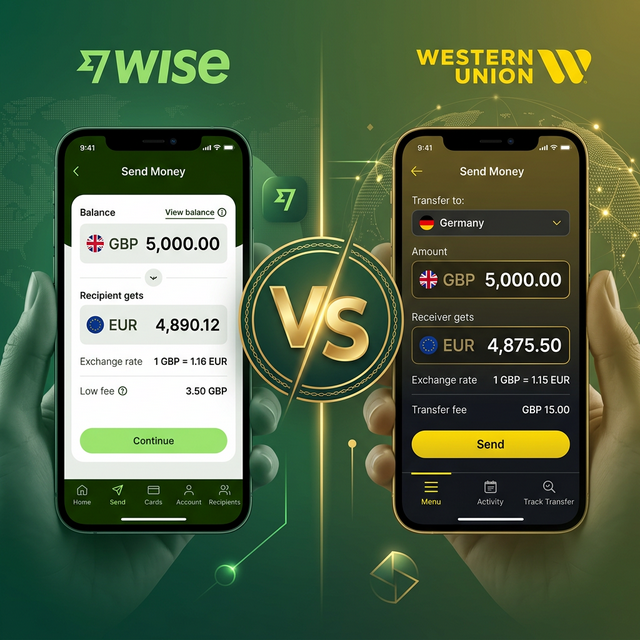
Sending USDC on networks like Solana or Polygon costs less than $0.01 per transaction. Compare this to a $15-30 fee charged by Western Union for a $200 transfer.
Instant Settlement
While traditional wire transfers take 2-5 business days, stablecoin transfers settle in seconds to minutes, depending on the blockchain network.
24/7 Availability
Unlike bank transfers that only process during business hours, stablecoin transfers work around the clock, including weekends and holidays.
How to Send Stablecoins for Remittance
Step 1: Choose a Platform
Popular platforms for buying and sending stablecoins include:
- Coinbase: User-friendly, supports USDC natively
- Binance: Wide range of withdrawal options
- Trust Wallet: Non-custodial mobile wallet
Step 2: Buy Stablecoins
Purchase USDC or USDT using your local currency through a bank transfer or card payment.
Step 3: Send to Recipient
Transfer stablecoins to your recipient's wallet address. Choose a low-cost network like Polygon or Solana for minimal fees.
Step 4: Convert to Local Currency
Your recipient can convert stablecoins to their local currency through local exchanges or peer-to-peer platforms.
Real-World Cost Comparison
| Method | Fee on $500 | Speed | Exchange Rate Markup | |--------|------------|-------|---------------------| | Bank Wire | $25-45 | 3-5 days | 3-5% | | Western Union | $15-30 | 1-3 days | 2-4% | | Wise | $3-5 | 1-2 days | 0% (mid-market) | | Stablecoin | $0.01-1 | Minutes | 0-1% |
Risks to Consider
While stablecoins offer significant benefits, there are risks:
- Regulatory uncertainty: Regulations around stablecoins are still evolving
- Technical complexity: Recipients need some crypto knowledge
- Off-ramp challenges: Converting back to local currency may have fees
- Smart contract risks: Though rare, technical vulnerabilities exist
The Future Outlook
Major payment companies like PayPal and Visa are already integrating stablecoins. As the infrastructure matures and regulations become clearer, stablecoins could become the default method for international money transfers, especially in emerging markets.
For now, stablecoins represent an excellent option for tech-savvy senders who want the lowest possible fees and fastest transfer times.